
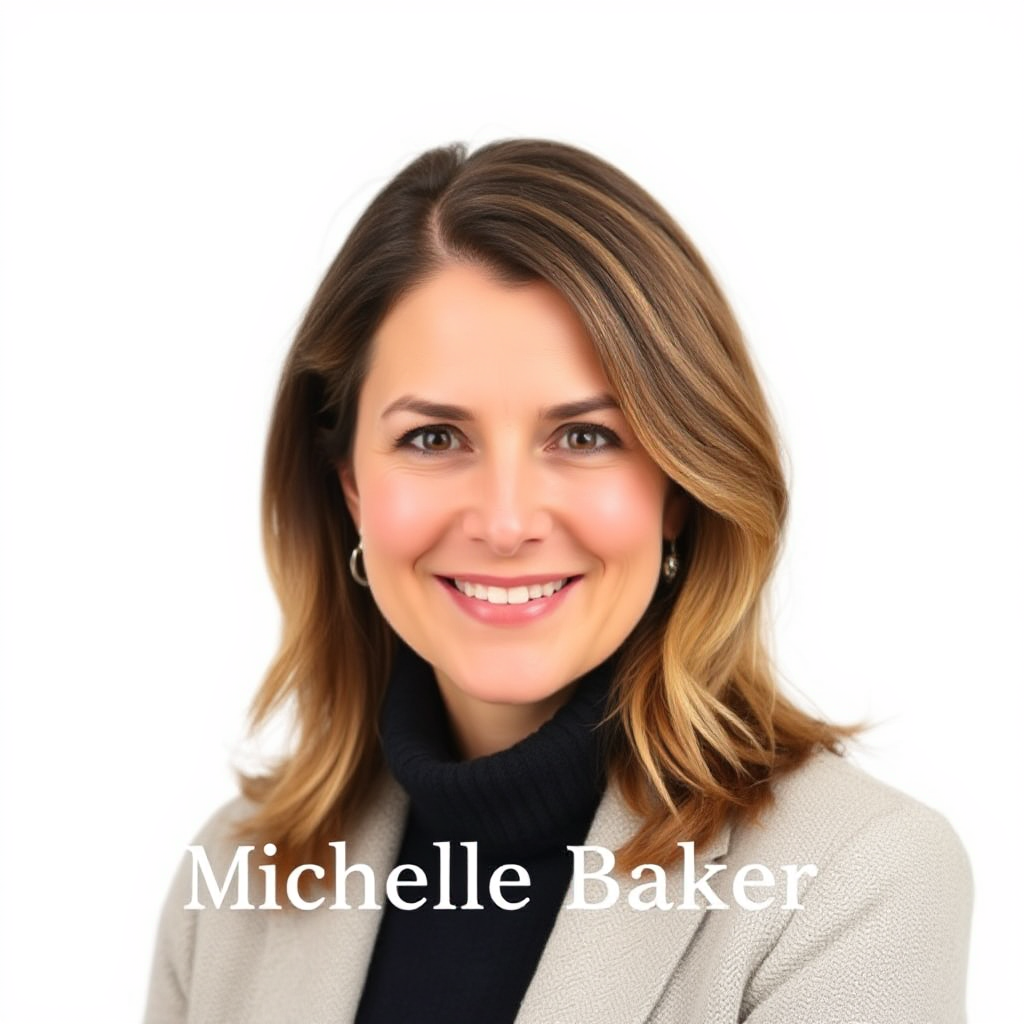
At times, a nurse named Lorna has the receiver hung up abruptly. Frequently, she has to listen to various far-fetched conspiracy theories and, in a particular instance, she remembers being subjected to abuse.
"It's certain there will be ones like that, who just don't want to hear, and you feel you've failed."
However, this is standard for the day job for Lorna. She's been calling parents whose young ones have not received measles, mumps and rubella (MMR) vaccinations in an effort to convince them to receive the jab. Inadequate uptake of vaccines mean the infection has taken hold in the city, predominantly in children below the age of ten.
A Forward-Looking Approach
This is not Lorna's first time - she was involved with a unit of public health employees that completed thousands of telephone contacts in just three months after a surge in measles cases in late 2023 affected hundreds of children. These conversations alone led approximately one thousand previously hesitant guardians and adolescents to take up the offer vaccination.
In north London, which is grappling with a measles surge, officials are looking to cities such as Birmingham for methods to control it. Five dozen cases have been reported up to now, mostly in toddlers, some of whom have been hospitalized.
Leveraging Veteran Staff
During Birmingham's 2023 outbreak, some ex-healthcare workers were recalled from retirement, as occurred previously. In this instance, though, rather than giving injections, they were tasked with convincing people to get them.
The team was tasked with placing follow-up calls to guardians and individuals up to the age of 25 to address the barriers preventing them getting the vaccine against a disease that can have serious consequences - encompassing brain inflammation and vision impairment and, infrequently, death.
Currently, Lorna, the clinical lead for immunization services, and a group of nurse specialists have been enlisted to restart the phone campaign as infections are increasing again.
Navigating Difficult Conversations
This is challenging work. It takes a certain kind of approach which involves attentive listening and seeking to appreciate the caller.
"When I understand their point of view, I can then address their queries," states Lorna. "Occasionally they are receptive, and other times they state they don't want to hear more."
"The goal isn't to act like a demanding nurse."
If people are prepared to keep discussing, Lorna believes she can then tackle their apprehensions or doubts about the vaccine and help diminish them.
Protocols and Support
The rule is to call only three times. Another is not to leave messages due to potential confusion. Team members proficient in a number of different languages, including French, Italian, Arabic and Urdu, can assist in outreach when the primary language isn't English.
Alongside the phone service, the coordinated response unit simultaneously operates an information campaign and engages with community organizations.
Tangible Results
The comprehensive campaign has had a noticeable influence. Over the course of 2024, an extra 7,000 vaccinations were completed – and the complete tally of doses was one-fifth more than the previous year.
Notably, there had been reduced immunization rates among specific communities, including Roma, east European, South Asian and black ethnic groups.
Communication obstacles were tackled by increasing the material available in various tongues, featuring scannable QR codes linked to videos outlining the positives, in conjunction with conventional poster campaigns.
Doctors' Surgeries Adapt
Some local GP services have also started doing their own outreach initiatives. This includes practices like Hall Green Health, which has even taken it a step further by offering GP appointments to parents who are hesitant so they can address their questions in person with a GP.
"I believe we have grown too relaxed about the true severity of measles," says partner Dr Sonia Ashraf.
She explains that multiple several elements that cause hesitancy. The fact MMR contains pork gelatine is one thing they see, however, this has a straightforward solution by providing the alternative of the jab that is without animal products.
Discredited research from the 1990s linking the MMR vaccine to autism also gets brought up, while many families are anxious about the quantity of scheduled immunizations offered to children. By the age of four, they will have been scheduled for six vaccination sessions.
"Some parents question why children need so many or think that their children are healthy enough these infections," adds Ashraf. "We spend time going through the evidence with them – misinformation is widespread out there."
Resource Constraints and Prospects
The proactive calling system has since been made available elsewhere. Yet, owing to financial constraints, it is something that can only be done to a restricted degree. Recently, vaccination levels fell once more to earlier, lower levels, leaving the city still well below the critical 95% mark needed for herd immunity.
Although there have been increases in infection, there has been nothing like the number of cases that were seen two years ago, when diagnoses surpassed five hundred.
A public health lead, says the call-and-recall model "proves highly effective" but "not a silver bullet" and needs to be integrated with further actions. Ideally, he says it would be used more but more resources are necessary.
Existing monetary allocation for the initiative runs until the conclusion of the current fiscal period.
The Wider Context
Birmingham is not the only area to use this technique. A number of other places have undertaken analogous programs.
But shifting the dial nationally has been challenging. Currently, less than eighty-five percent of children have had the complete course by the age of five.
"It poses a significant problem," notes a specialist. "The causes of vaccine hesitancy are multifaceted and varied. An element frequently ignored is accessibility. For


